The preparation of scientific competencies in various fields of knowledge, and the production of innovative scientific research aims to serve society by providing exemplary education in an intellectually stimulating university environment.
Jobs | Scholarships | Students | Staff | Alumni
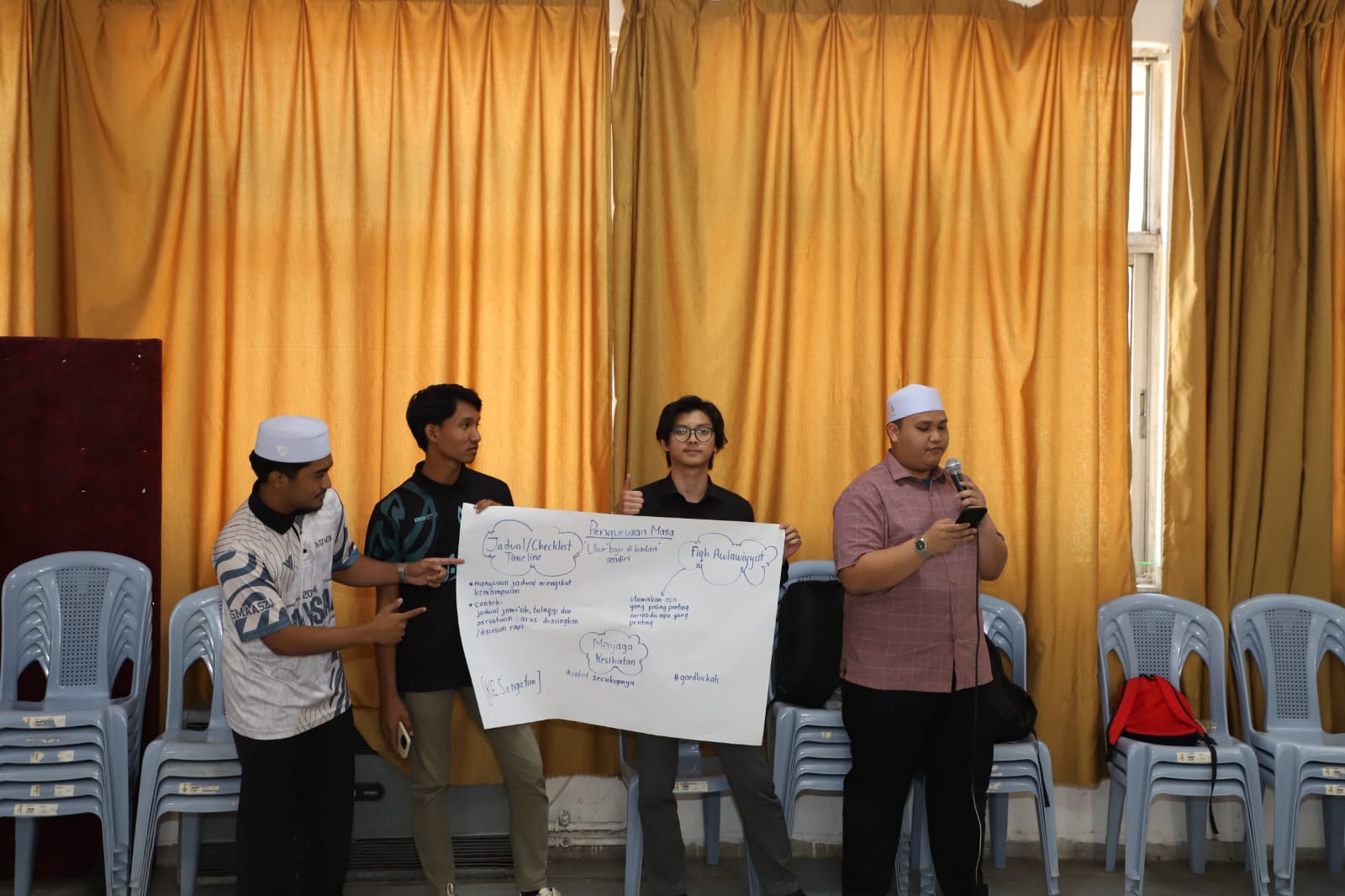
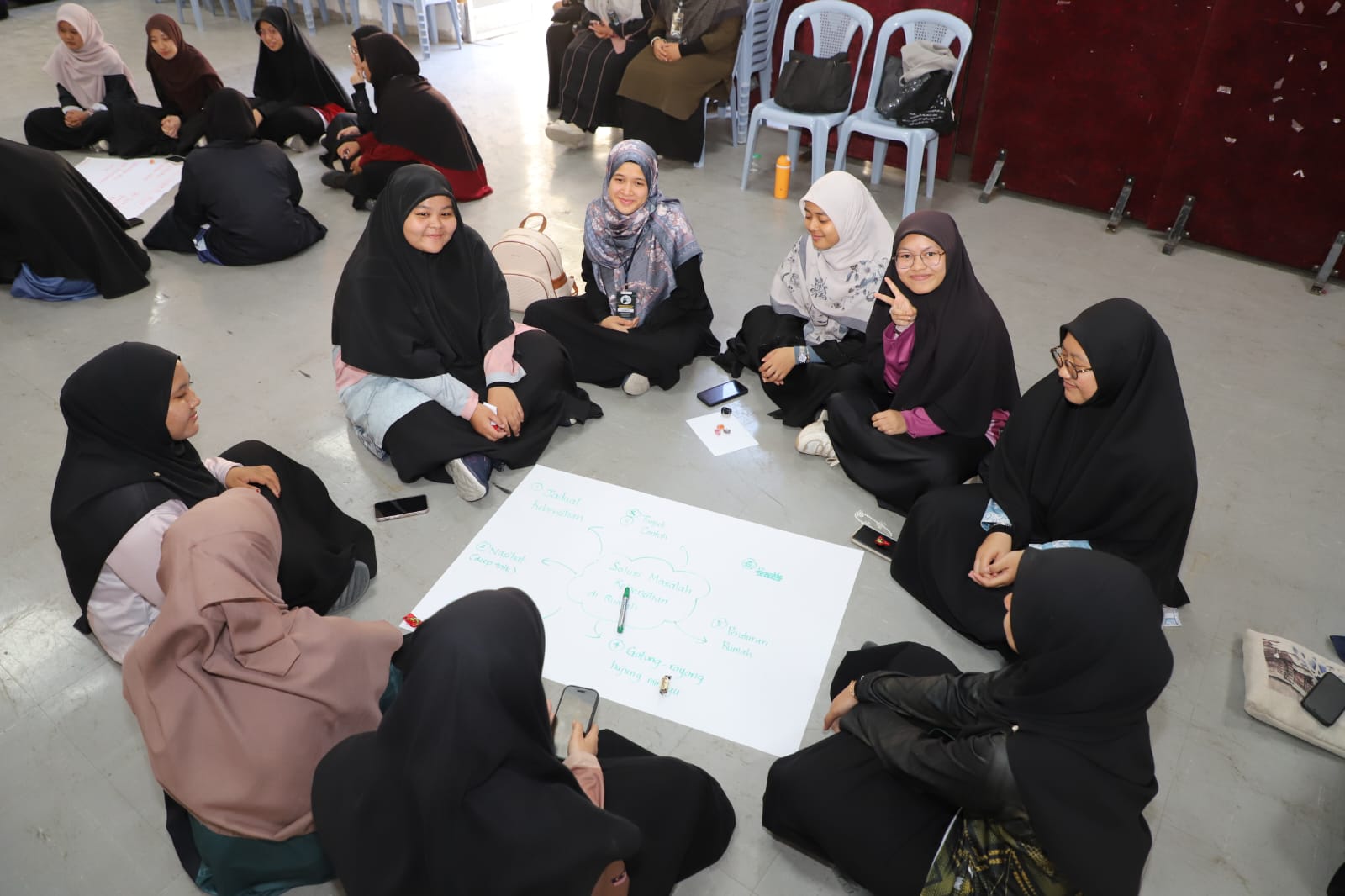
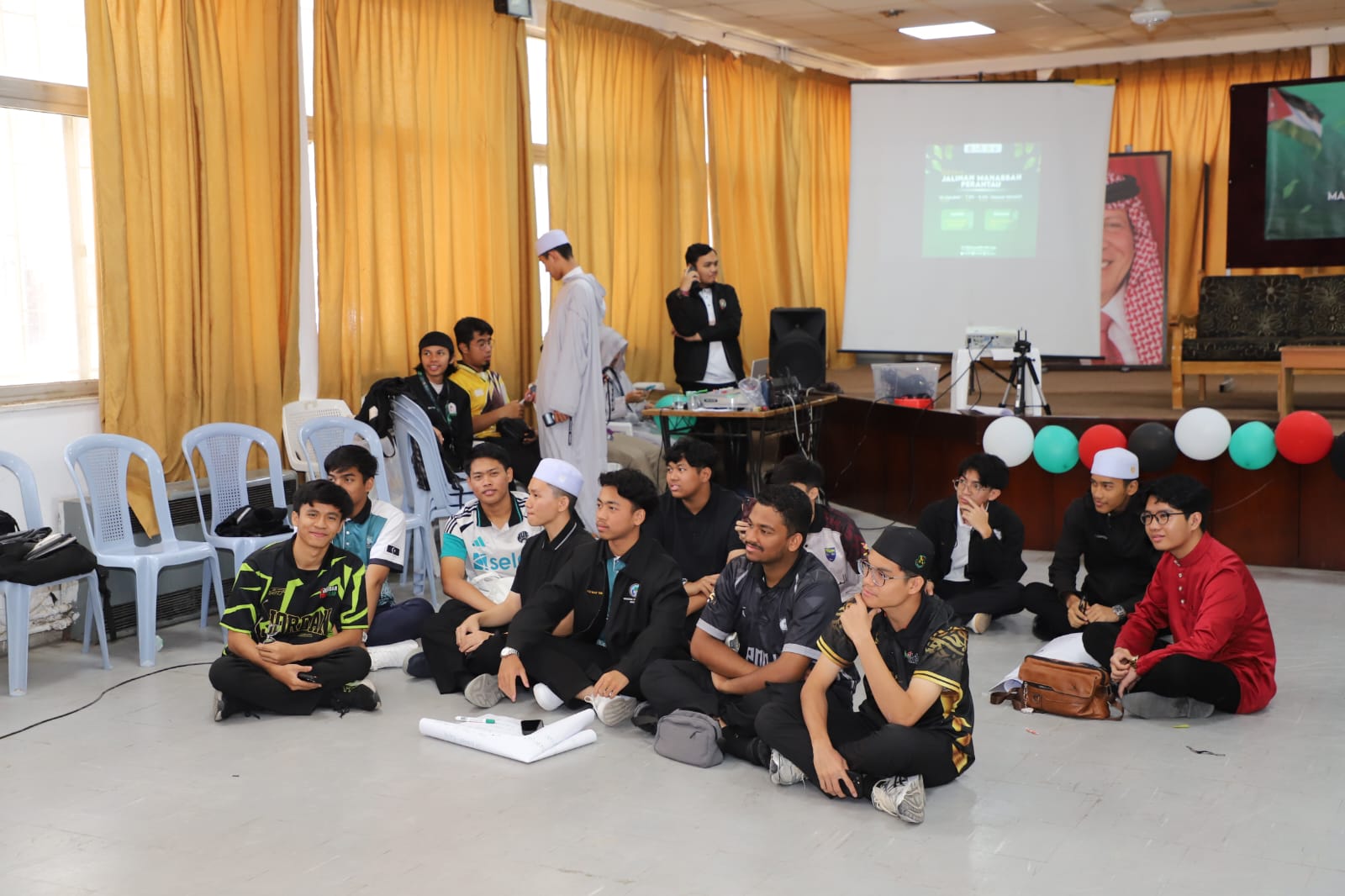
The Department of International Student Affairs at the Deanship of Student Affairs concluded the activities of the orientation program for new Malaysian students for the academic year 2025–2026.
The program aims to welcome the students and introduce them to the university environment, activities, programs, and services offered by the Deanship of Student Affairs, as part of the university’s vision to support international students and help them integrate into the university community.
The ceremony included several interactive activities and cultural and artistic competitions that created an atmosphere of friendliness and fun. It also featured introductory presentations and welcoming speeches that gave an overview of the university, its academic mission, and its role in supporting international students and providing them with the necessary academic and social assistance.
Dr. Shadi Al-Bashir, Head of the International Student Care Department at the Deanship of Student Affairs, emphasized the department’s commitment to providing everything that helps create a supportive and inclusive university environment for international students. He pointed out that this meeting is part of a series of programs and activities organized by the department for new international students from various countries, aiming to enhance their interaction and participation in university life in all its academic, cultural, and social aspects.
At the end of the ceremony, the Malaysian students expressed their thanks and appreciation to the university and the Deanship of Student Affairs for the warm welcome. They affirmed their happiness in starting their university journey in a distinguished environment that encourages learning, openness, and cultural diversity.
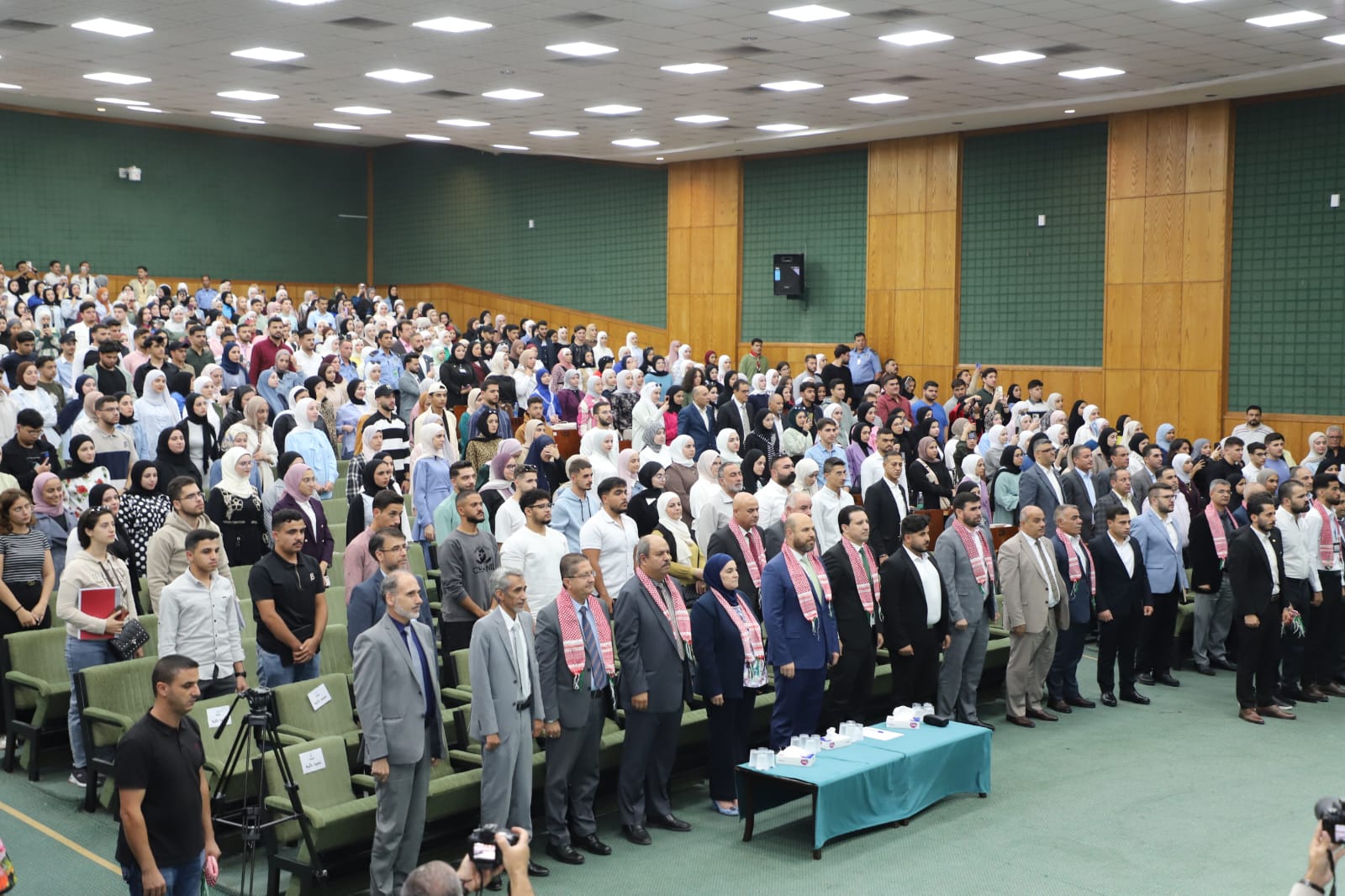
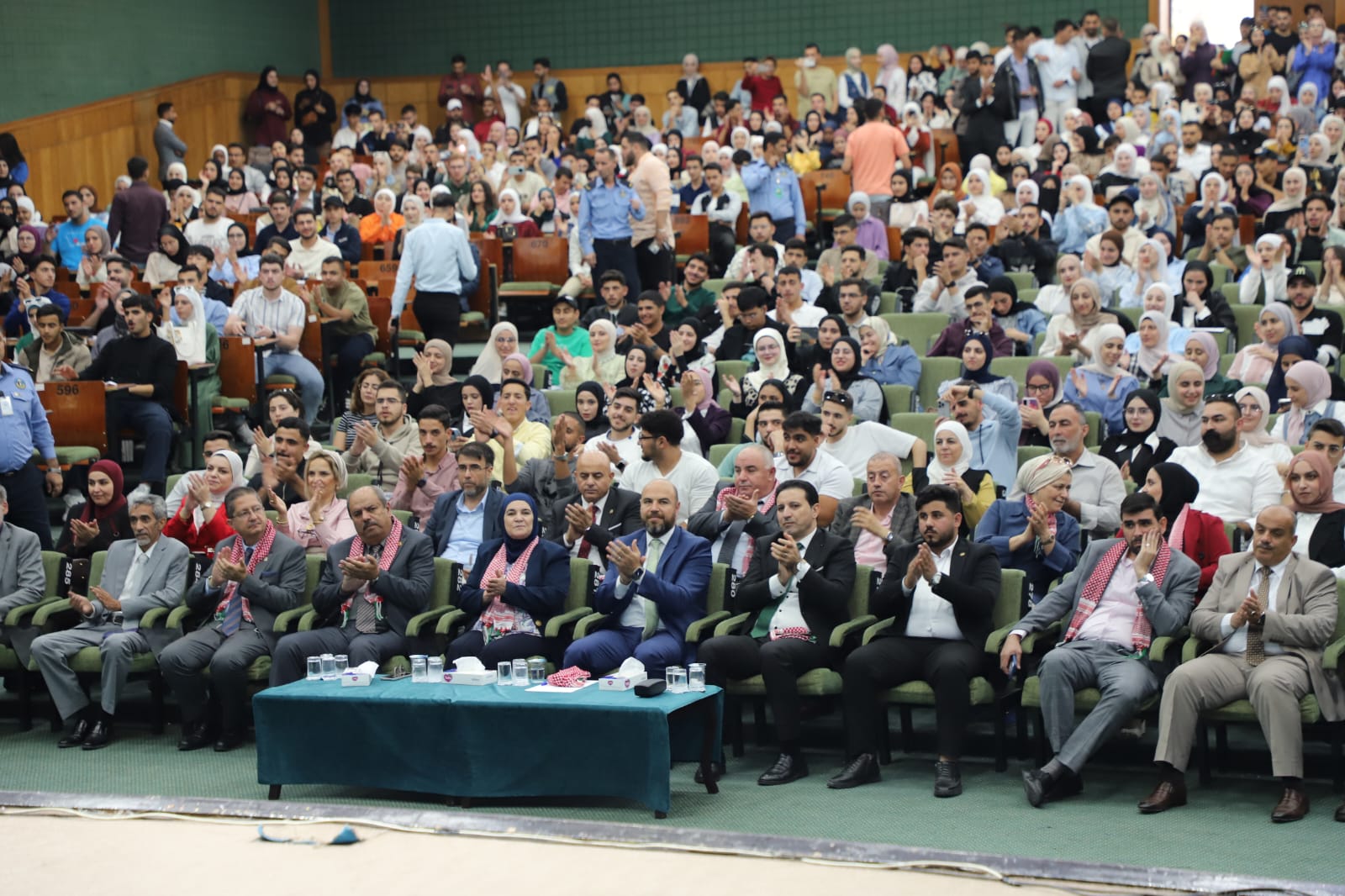
Under the patronage of Yarmouk University President, Prof. Malek Al-Sharairi, the university held a welcoming ceremony for new students for the academic year 2025/2026, organized by the Deanship of Student Affairs in cooperation with the Student Union, at Al-Kindi Auditorium.
Prof. Al-Sharairi welcomed the new students, congratulating them on joining Yarmouk University’s academic family. He affirmed Yarmouk’s belief that education is a comprehensive system and a fundamental pillar of national progress. The mission of the university, he emphasized, is not merely to provide students with information, but to build a balanced individual — intellectually, morally, and humanly — who realizes that knowledge is not an end in itself, but a means to achieve goodness, development, and advancement.
He stressed the university’s commitment to providing a healthy, stimulating, and supportive environment that enables students to discover and develop their potential, empowering them to become future leaders who believe in themselves, their humanity, and their abilities. He urged students to be honest with themselves and with their society, and to be productive, innovative, and sincere in all that they do.
Prof. Al-Sharairi emphasized that students have the ability to be leaders and active contributors to the present and the future by equipping themselves with the tools of strength and success and through positive engagement in their communities. He pointed out that joining the university marks a continuation of one’s journey as a productive and giving member of society, whether the student is Jordanian or an international student. He added that international students are a valuable addition to the Yarmouk community and true ambassadors of Jordan and Yarmouk University in their home countries after graduation.
He also highlighted Yarmouk’s ongoing efforts to attract students from various countries, which enhances cultural diversity on campus. This diversity, he noted, reflects the university’s status as a hub for ideas that foster creativity and innovation.
“The Deanship of Student Affairs,” Prof. Al-Sharairi continued, “is the students’ trusted reference and their partner in shaping their university experience. Through its various activities, it nurtures students’ sense of initiative, responsibility, and belonging, while offering them guidance, support, and care whenever needed.”
Addressing the students, he said: “Your university journey is not merely about earning academic credits or obtaining a degree — it is a life experience through which your personality is shaped, and your ambitions grow. You must strive to acquire knowledge, apply it practically, and develop essential skills along the way.”
Dean of Student Affairs, Dr. Ahmad Al-Shuraifin, said that joining Yarmouk University — the house of knowledge, innovation, and enlightenment — marks a defining step in students’ lives, as they move from the stage of receiving information to the stage of self-building, and from seeking knowledge to shaping thought and identity.
He stressed that knowledge at the university is not measured by the number of credit hours or exams, but by students’ ability to think critically, respect different opinions, and develop independent, conscious personalities who know what they want and where they are headed.
Dr. Al-Shuraifin added that the Deanship of Student Affairs exists for the students — it is their warm home, safe haven, and reliable reference that listens to their concerns and celebrates their aspirations.
He also expressed the university’s pride in hosting students from various friendly and brotherly countries, united by Yarmouk’s spirit of diversity, understanding, and coexistence, which turns the campus into a vibrant mosaic of tolerance and mutual respect.
For his part, the President of the Student Union, Odei Al-Dhiabat, affirmed that the university has never been merely an academic institution, but rather a message of thought, a field of excellence, and a school of belonging, patience, and awareness. Yarmouk, he said, has embraced generations and witnessed stories of ambition that began within its halls and went on to make a difference in a nation we all take pride in.
He stressed that the Student Union represents the students’ free voice, their open space for dialogue, and their constant support throughout their academic journey. He affirmed that the Union will remain close to the students — honest in action, and loyal to the university, the homeland, and the Hashemite leadership.
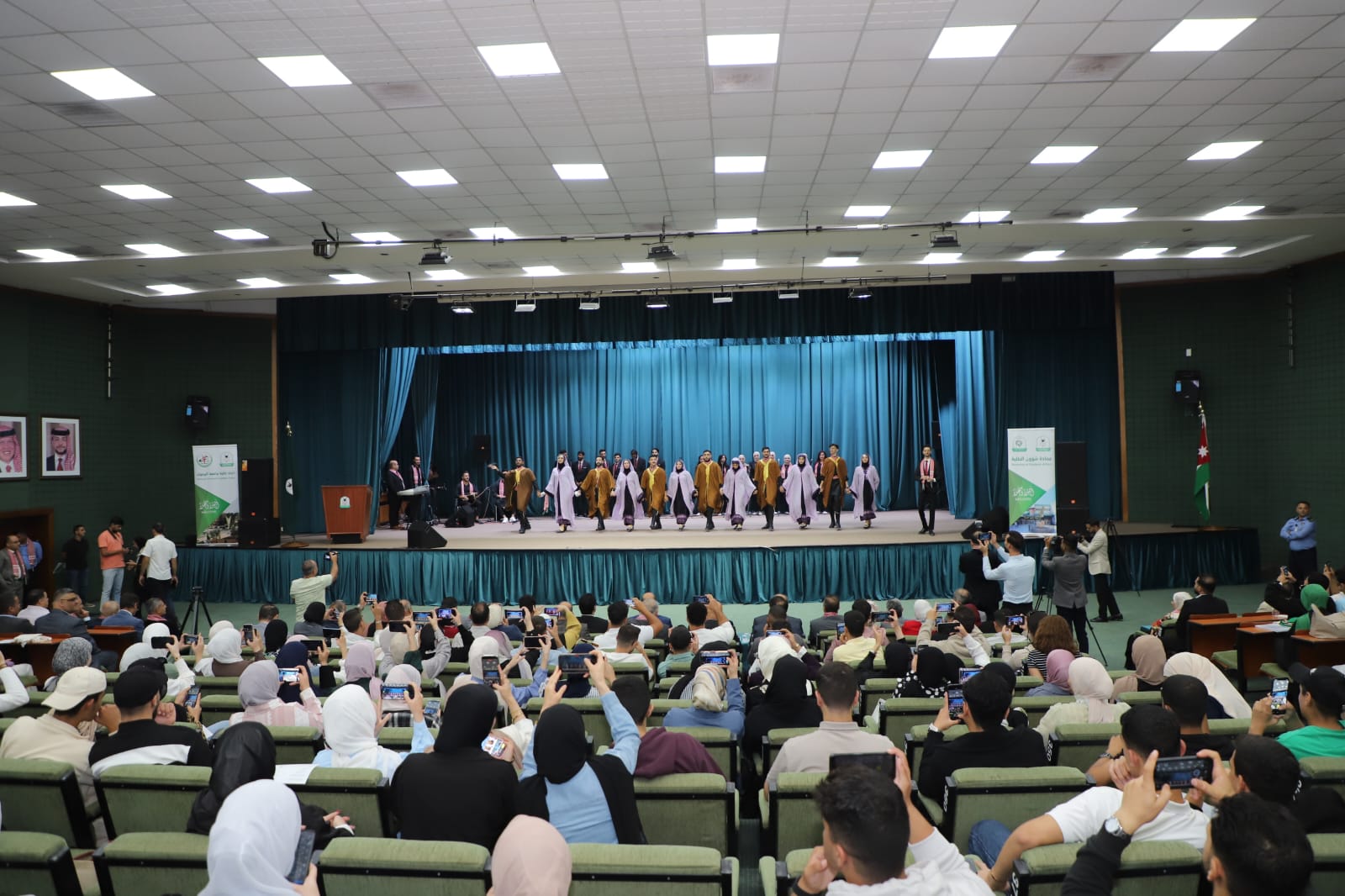
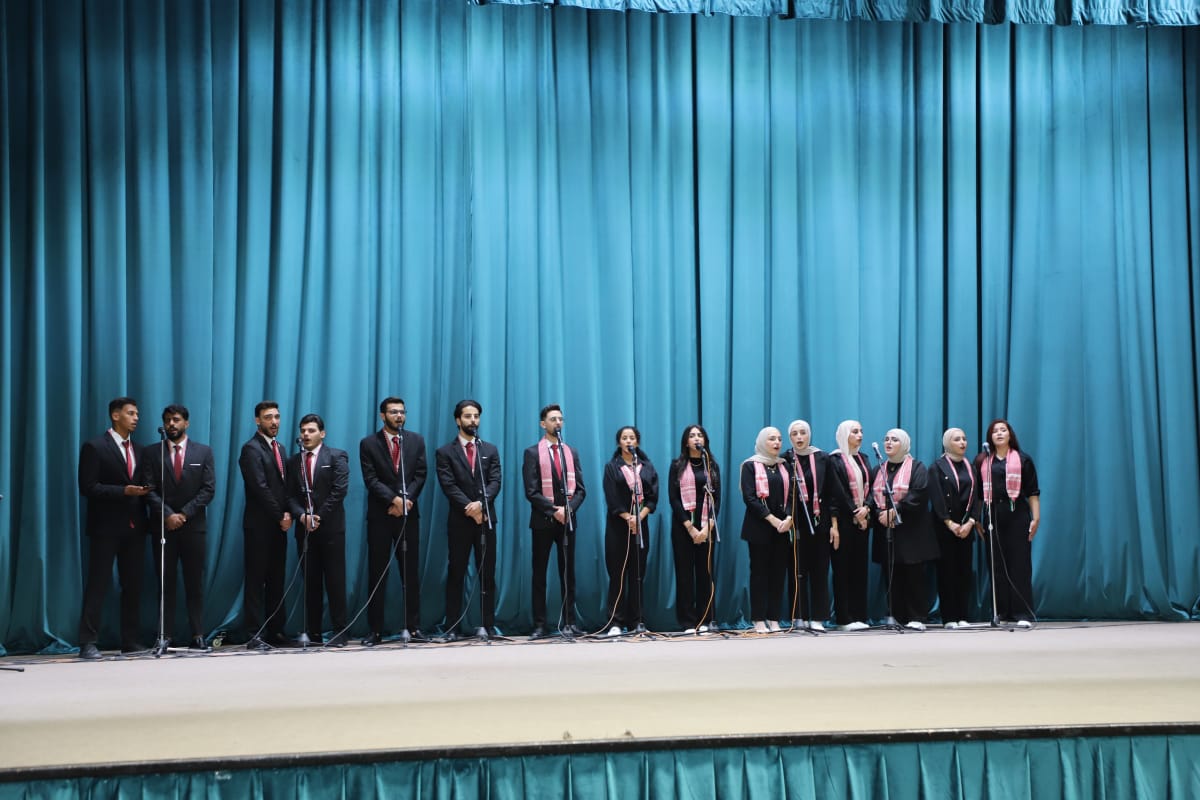
The ceremony, attended by the university’s Vice Presidents Dr. Ruba Al-Batayneh and Dr. Amjad Al-Naser, along with several deans and officials, featured artistic performances by the university choir and the Deanship of Student Affairs’ art troupe.
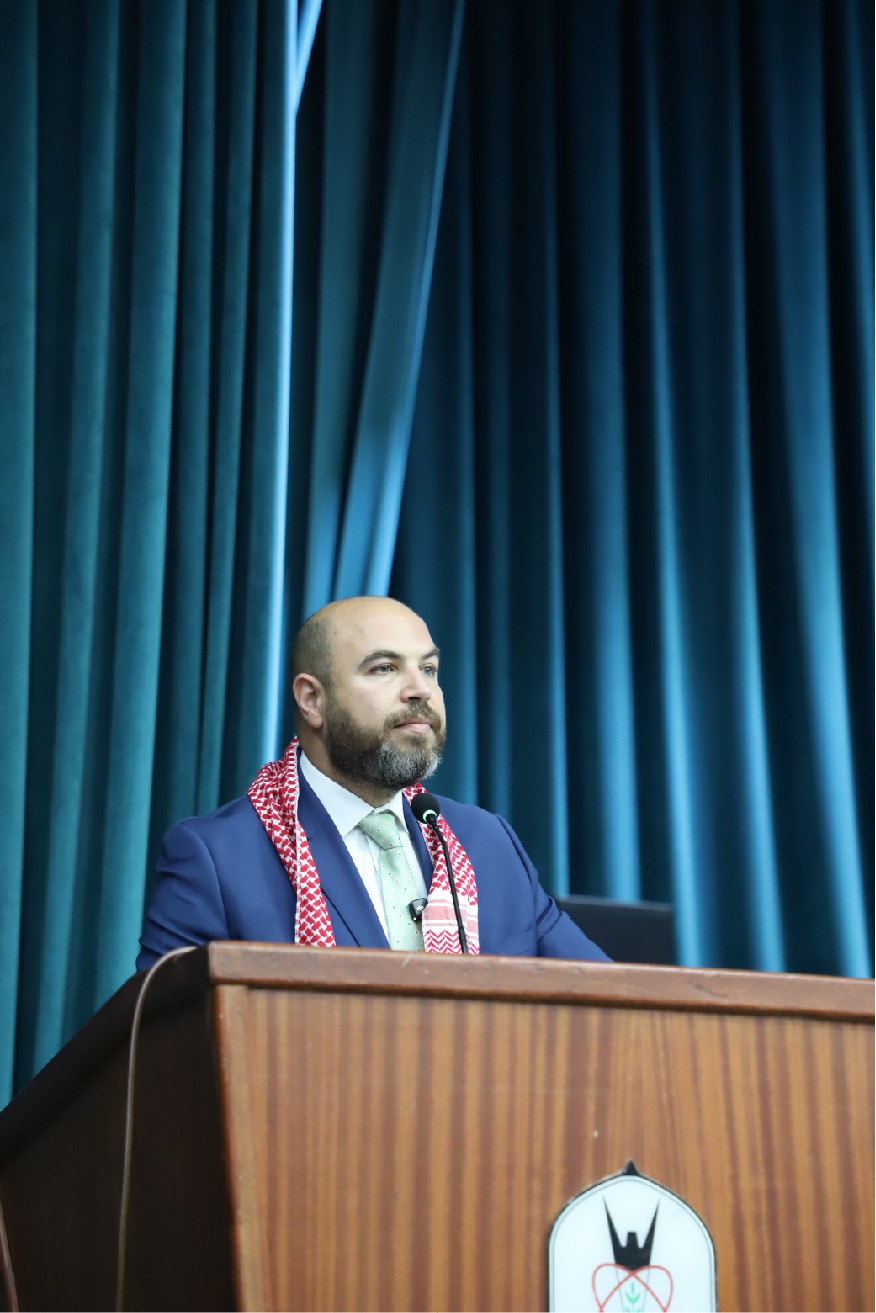
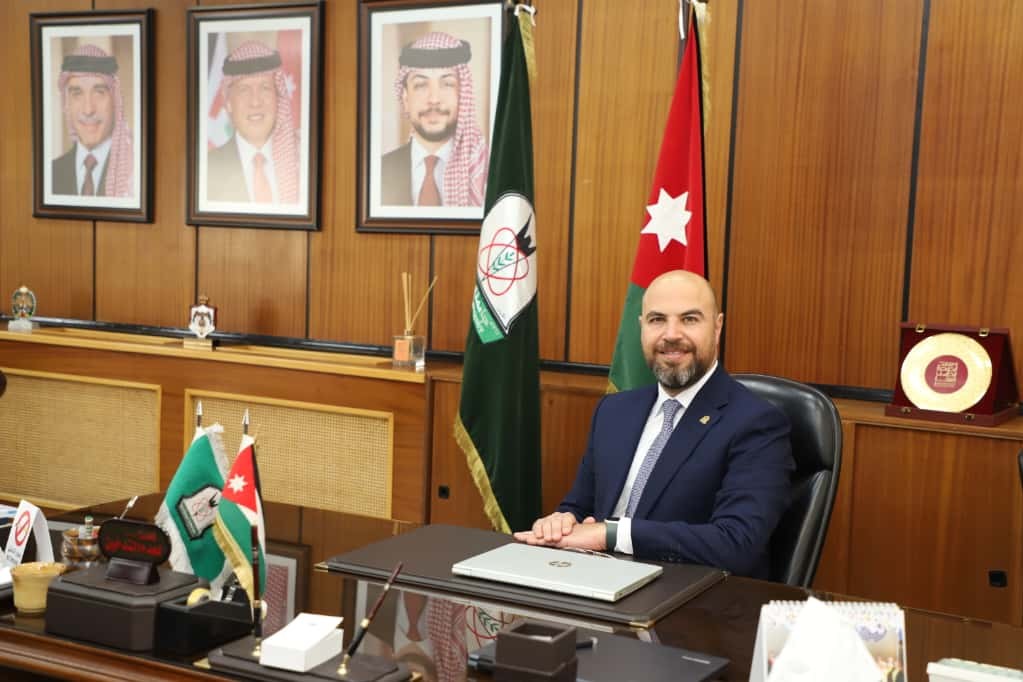
Professor Dr. Malek Alsharairi, President of the University, addressed the Yarmouk University community following the issuance of the Royal Decree appointing him as President.
In his message, Alsharairi emphasized that with the issuance of this Royal Decree entrusting him with the presidency of the university, he finds himself facing significant responsibilities and great opportunities as the university approaches its golden jubilee. Since its establishment, Yarmouk University has stood as a national stronghold of knowledge and scholarship, a beacon of culture and the arts, and a nurturing ground for leaders and distinguished professionals who have contributed to the progress of Jordan as well as that of brotherly and friendly nations.
He added that he returns today to Yarmouk University in the foremost position of responsibility, after spending more than nine years within its halls—both as a student and as a member of its faculty. He stressed his commitment to working alongside the university community to carry forward the ever-burning torch of Yarmouk, continuing the path of progress paved by predecessors over the past forty-nine years. He affirmed that this endeavor is guided by trust in God, the honor of the Royal confidence, the shared determination of the university family, and fortified by experience, passion, and vision.
The following is the text of the message in English
In the Name of God, the Most Merciful, the Most Compassionate
Dear colleagues, academic and administrative staff,
My beloved students,
The huge Yarmouk family of loyal alumni across Jordan and around the world,
Peace, mercy, and blessings of God be upon you,
With the issuance of the Royal Decree appointing me as President of Yarmouk University, I find myself entrusted with great responsibilities and important opportunities, as we approach the Golden Jubilee of our distinguished university. Since its founding, Yarmouk has stood as one of the national fortresses of knowledge, a beacon of culture and arts, and a cradle of leaders and talents who have contributed to Jordan’s progress and to that of many friendly nations.
I take pride in having spent more than nine years within its campus — first as a student, then as a member of its faculty — drawing from its rich knowledge, learning from its distinguished professors, and having the honor of teaching its students. Today, I return to it in the highest position of responsibility, eager to work alongside you, carrying together the torch of Yarmouk, which has never been extinguished, continuing the journey of those who came before us through the past 49 years. I do so with reliance on God, honored by the Royal trust, strengthened by your sincere determination, and armed with experience, passion, and vision.
Esteemed colleagues — academic, administrative, and support staff,
You are the team. I am immensely proud of you all: my teachers, whom I deeply respect and take as role models; my classmates and colleagues, who accompanied me on my journey of learning and work; and my students, whom I had the privilege to teach and who were among the very best, and fellow academics who are globally distinguished and administrative staff who are highly competent. Today, I return to be among you and with you — a leader of one team. I will succeed at times and falter at others, but I place before me only the higher interest of the University. I pledge “by Yarmouk” to stand at an equal distance from all, supporting you in service to our University, with no bias except toward merit, ability, achievement, and dedication. Each and every one of us is accountable. Each of us carries the duty not only to perform our role faithfully but to strive for excellence.
Together, we uphold the mission of education, knowledge creation, and community service. Let us never forget — our students must remain our highest priority. We must dedicate ourselves to broadening their horizons, enhancing their skills, empowering them, and inspiring them to unleash their full potential. Let us be their mentors and role models, ensuring that they benefit from us to the fullest. For they are the primary reason for our existence in this institution. We must enrich their educational journey with modern teaching methods, innovative assessment, and impactful research, while integrating advanced technologies, applied learning, and entrepreneurship. We must maximize their experiences, open for them opportunities in employment and innovation, and prepare them for the future. Tomorrow, the world will see us through them; let us see our future through them today.
We are all committed to the vision of His Majesty King Abdullah II Ibn Al Hussein, as expressed in the Seventh Discussion Paper, which emphasized:
“It is no longer acceptable to allow hesitation and fear of development and modernization in science to waste the immense human potential we possess. Educational institutions must believe in the vast energy, great capacities, and diverse talents of our youth, and strive to discover, nurture, refine, and stimulate them to their fullest, through the most modern educational methods that encourage understanding and critical thinking, and integrate science with practice, theory with application.”
My beloved students,
Each morning I will look into your eyes to draw strength, determination, and motivation. As you begin this new academic year, I remind you of the words of His Royal Highness Crown Prince Al Hussein bin Abdullah II, who has always placed youth at the very top of priorities:
“History has recorded Jordan’s leadership and the creativity of its sons and daughters. The future will bear witness to this nation’s youth building towers of knowledge and progress, moving us toward a better Jordan, God willing. Jordan’s youth have never been complacent or indifferent; generation after generation, we take nothing for granted — not our security, not our knowledge, not our livelihood. We do not simply take; we give.”
Be earnest and committed, do not fear asking, experimenting, or even failing. Fill your hearts with passion and your minds with curiosity. Have faith in yourselves — your influence will bring positive change, sooner or later. Do not tire of thinking, innovating, or being creative. Keep pace with modern technology. Place no limits on your vision of the future. Persevere with patience and determination in your pursuit of leadership. Be sincere in your love for your country and community, beginning with honoring your parents — your first school. Speak with positivity and courage, let it be calmness accompanied by the resounding noise of achievement and sincere striving. Always remember that Yarmouk has been, and will remain, your platform and home — the place that opens doors of hope, opportunity, and success, nurturing talent and ambition.
Our loyal alumni,
As Yarmouk approaches its Golden Jubilee, you now number nearly a quarter of a million worldwide — leading businesses and institutions, achieving success, supporting nations, contributing to economies, and enriching societies. You are united by your love for Yarmouk, carrying its name, cherishing its memories, and taking pride in it in every forum. I urge you to amplify your impact by lighting the way for others, supporting and developing talent, and keeping your bonds strong with one another and with your university. For every success Yarmouk achieves, you share in it — whether you realize it or not.
Dears within and beyond the University,
Together we face immense opportunities to lead Yarmouk University to greater heights — to make it a hub that attracts and nurtures talent, positivity, and distinction; a destination for students and partners from all over; an institution open to the world, building bridges of diversity, partnership, and knowledge exchange; a flexible university rooted in the future of education, research, and innovation; financially stable; and a trusted partner locally, nationally, and regionally in economic development.
I invite you all to race against time in the spirit of teamwork, as partners in success and achievement, to write a new chapter in Yarmouk’s journey. Let us leave our mark, pave the way for future generations, and build a brighter, stronger, and more pioneering university. I promise you that I will remain among you and with you — a colleague and brother before being a President — working with dedication so that Yarmouk will always lead from the front.
May God grant us all success in serving our beloved Jordan and our cherished university. With God’s blessing, I hereby begin — under the leadership of the patron of knowledge and progress, His Majesty King Abdullah II Ibn Al Hussein, and the role model of ambitious and dedicated youth, His Royal Highness Crown Prince Al Hussein bin Abdullah II.
Peace, mercy, and blessings of God be upon you.
Yours sincerely,
Prof. Dr. Malek Ahmad Alsharairi
President of Yarmouk University
Date: Thursday 25/9/2025

As part of the “Ethics and Volunteer Work” course, the Deanship of Student Affairs organized an awareness lecture titled “Cybercrimes,” delivered by Ali Al-Salibi from the Justice Center for Legal Aid.
Dean of Student Affairs, Dr. Ahmad Abu Dalou, stated that holding such lectures reflects the Deanship’s and the University’s commitment to raising students’ awareness of important societal issues. He explained that the Deanship seeks to use the “Ethics and Volunteer Work” course to enrich students’ legal knowledge and educate them on the importance of protecting themselves from legal accountability, particularly in matters such as cybercrimes, given the limitless spread of technology and the widespread use of social media.
For his part, Al-Salibi addressed the concept and nature of cybercrimes, as well as the laws and regulations governing them, calling on students to commit to the positive and responsible use of the internet and social media, while avoiding harm to others.
He warned against using social media platforms as tools for blackmail or threats, or for exploiting others’ personal information, as well as spreading rumors and misleading news. He urged students to remain cautious and not fall victim to such practices.
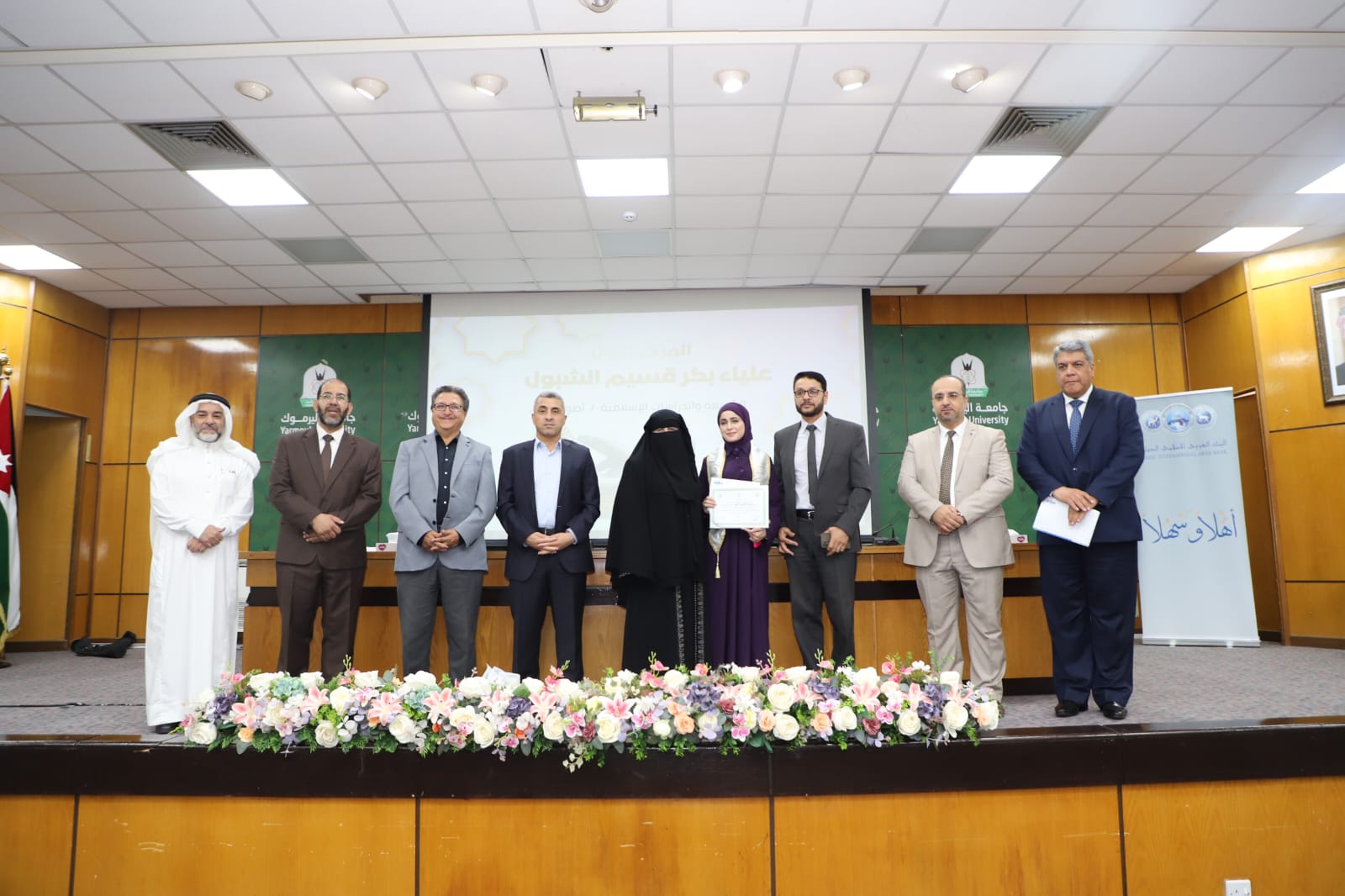
Vice President for Administrative and Financial Affairs, Dr. Yousef Obeidat, presided over the closing ceremony honoring the winners of the “Holy Quran Memorization Competition” and the “University Hafiz Competition” for the academic year 2024/2025, “Organized by the Faculty of Sharia and Islamic Studies” in collaboration with the Deanship of Student Affairs, Dr. Mohammad Talafhah, Dean of the Faculty, said that Yarmouk University’s care for the Quran and its people is part of caring for the nation and investing in the future of its sons and coming generations. He explained that this nation was shaped by the Quran, which set its path, refined its character, and gave it distinction among other nations.
He emphasized that the surahs and verses of the Holy Quran, its wise guidance, its healing influence, and its comprehensive rulings, will remain a witness to the truth for this nation or against it. They will guide it if it goes astray, help it if it stumbles, and show it the path of truth and goodness when the paths become confusing or diverse.
Dr. Talafhah thanked the sponsor and supporter of the competition, the Arab Islamic International Bank. He also appreciated the efforts of the Quran Program Supervisor, Dr. Nadhir Al-Shrairi, the recitation teachers from the Department of Fundamentals of Religion, and the judging committee for making this competition a success.
Based on the competition outcomes, Alia Bakr Al-Shboul, a student from the Department of Fundamentals of Religion, secured first place upon completing the memorization of the entire Holy Quran.
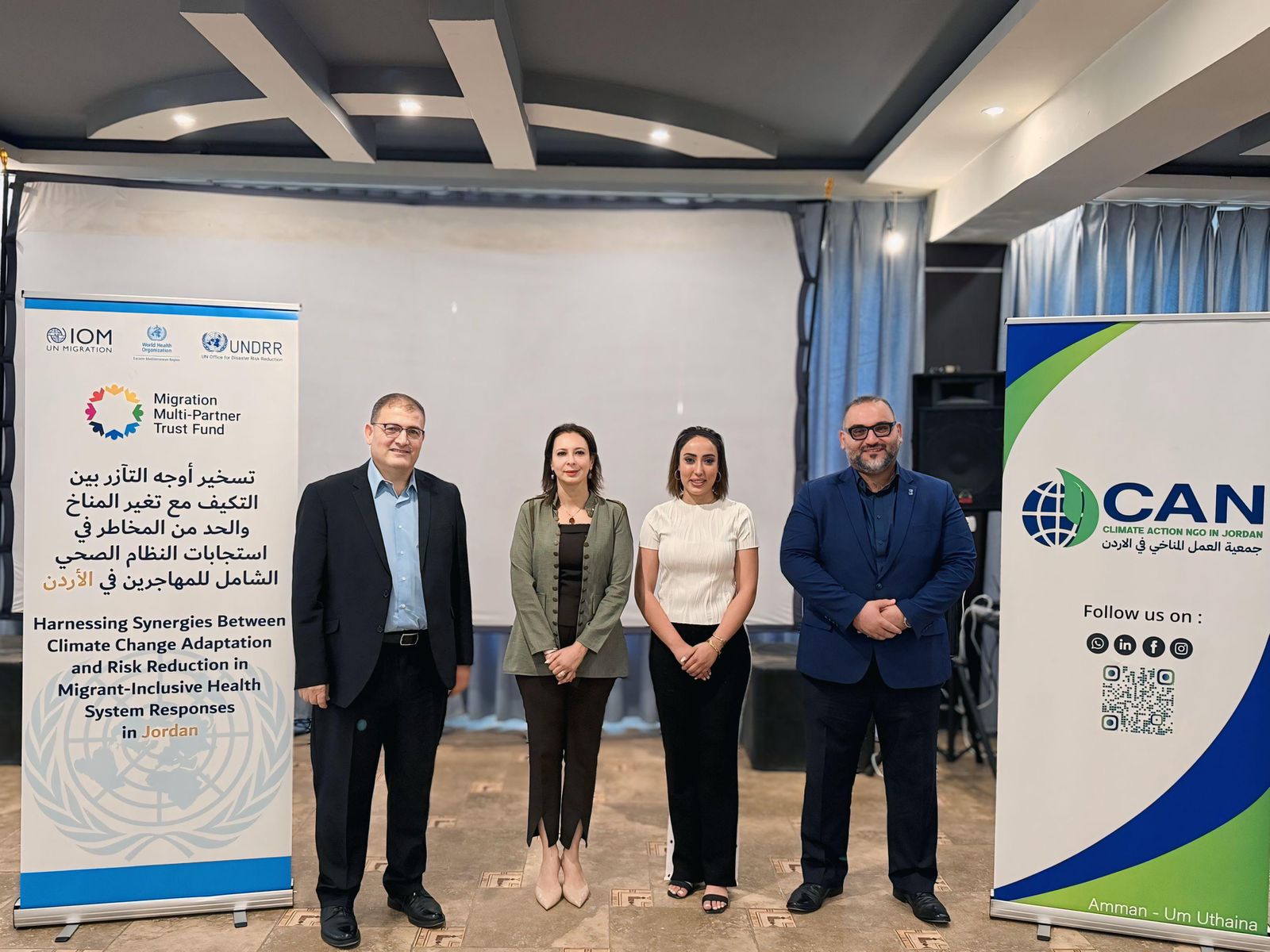
Yarmouk University, represented by Dr. Ali Shehadeh, Director of the Accreditation and Quality Assurance Center, Dr. Batoul Al-Muhaisen, Director of the Princess Basma Center for Jordanian Women's Studies, and Dr. Ayman Jaradat from the Civil Engineering Department at the Hijjawi College of Engineering Technology, participated in a three-day training of trainers workshop organized by the Irbid Governorate in cooperation with the Ministry of Interior and the National Center for Security and Crisis Management. The workshop is part of the project to enhance coherence between climate change adaptation and disaster risk reduction in Jordan, in support of comprehensive health system responses for migrants and host communities.
The first day of the workshop addressed framing concepts and policies, explaining the 2015–2030 National Framework, and introducing the Urban Resilience Scorecard as a standard tool for assessing risks and building local preparedness. The second day addressed practical application through group work sessions that applied the scorecard to vital sectors in Irbid, while establishing measurable and trackable baselines and indicators.
The program concluded on the third day with the standardization of the training methodology and mechanisms for transferring knowledge to municipalities, health directorates, and academic institutions to ensure sustainability and expansion.
The workshop witnessed active participation from the participating university team. Jaradat contributed engineering ideas and information related to diagnosing urban infrastructure risks and paths to enhancing its resilience. Al-Muhaisen presented the integration of a gender perspective and the protection of the most vulnerable groups into resilience plans and community engagement mechanisms. Shahadeh addressed the alignment of outcomes with quality systems, institutional governance, and performance indicators to ensure applicability, monitoring, and continuous improvement.
This participation reinforces Yarmouk University's mission and strategy by transforming academic knowledge into practical solutions that enhance the preparedness of local community institutions and provide opportunities for service learning and interdisciplinary research projects for engineering, health sciences, and humanities students. It also contributes to forming the core of a national team of trainers, led by university partners, to transfer the resilience measurement methodology to institutions in Irbid Governorate and its surrounding areas, and to consolidate evidence-based planning in local administration.
At the national level, the workshop outcomes support the comprehensive health response system, reduce the risk of losses resulting from disasters and extreme weather events, enhance integration between municipalities, health directorates, and supporting agencies, and achieve the Sustainable Development Goals, particularly the goal related to good health and well-being, the goal related to sustainable cities, and the goal related to climate action.
It is worth noting that this workshop was organized in partnership with the United Nations Office for Disaster Risk Reduction, the International Organization for Migration, and the World Health Organization, and implemented by the Climate Action Association - Jordan.

Representing the Minister of Political and Parliamentary Affairs, the Ministry’s Secretary‑General, Dr. Ali Al‑Khawaldeh, patronized the "Speak for Jordan" event, which was attended by the Dean of Student Affairs at Yarmouk University, Dr. Ahmad Abu Dalou.
The activity was held as part of the "Aid for Jordan: For the Kingdom’s Future" initiative,organized by the Jordan Aid Society and the Netherlands Institute for Multiparty Democracy, in cooperation with Yarmouk University.
Dr. Al‑Khawaldeh emphasized the important role of universities in developing and shaping the personalities of Jordanian youth, broadening their awareness in political, economic, and social fields, and empowering them to accept differing viewpoints and engage in constructive debate. He stressed the importance of building a generation capable of shaping its present, planning for its future, and contributing to the development of its community and homeland.
He noted that youth are the most open to change and the most capable of adapting to emerging developments—something the Ministry seeks to foster through its youth‑focused programs.
He further underlined the Royal interest in modernizing the political and economic systems, noting that youth and women are the key pillars of this process.
He explained that there is strong societal consensus on the need for these two groups to play an active role in development and reform across all sectors.
Dr. Al‑Khawaldeh pointed out that the opportunities currently available for young people to participate in politics and reach decision‑making positions stem from evolving legislation, political life, and technological advancement.
He called on youth to play their part in the political and electoral processes—through voting, joining parties, and running
for office—so that they may have an effective role in shaping both the legislative and executive authorities.
For his part, Dr. Abu Dalou affirmed that this project aligns with the Royal vision of empowering youth, expanding their participation in public and political life, and providing them with safe spaces to be genuine partners in shaping the future.
He stressedYarmouk University’s firm belief that youth are the makers of tomorrow, the leaders of change, and the true capital of Jordan.
He also highlighted the commitment of the Deanship of Student Affairs to ensuring that the university remains a platform for free thought, a field for responsible dialogue, and a supportive environment for all initiatives that strengthen a sense of belonging, nurture active citizenship, and encourage positive participation in serving the nation.
He added that the success stories presented by Jordanian youth today are proof that determination is indomitable, and that a bright future is shaped by a generation that believes in its homeland, is loyal to its leadership, and is confident that Jordan—under the Hashemite leadership—continues to move forward with determination toward political modernization, economic advancement, and social reform.
Dr. Abu Dalou stressed that Yarmouk University will always be the primary supporter of young people in their innovative ideas, legitimate dreams, and constructive contributions, as they are the hope on which we pin our aspirations and the true extension of thenation’s ongoing journey of building and giving.
Meanwhile, MP Rand Al‑Khazouz pointed out that His Majesty the King’s discussion papers emphasize that the active participation of youth in political life is both a fundamental right and a national responsibility. She stressed that this participation is essential for empowering youth and achieving comprehensive development, by activating their role in party and institutional work in a way that serves the national interest and enhances the status of conscious youth as essential partners in decision‑making.
She urged students to strengthen their engagement and seize this opportunity to build the nation and preserve its security and stability.
Noor Al‑Duwairi, Executive Director of Jordan Aid Society, stated that the "Speak for Jordan" platform is not merely a youth project, but an open invitation for young people to become the leaders of the future and champions of change. Through sharing their storiesand personal experiences, the initiative aims to create safe spaces for dialogue within universities, enhance expression and dialogue skills through innovative methods, and encourage active political participation.
It also seeks to change stereotypical perceptions of political engagement, making it a tool for positive change and inspiration.
For her part, Nelly Awad, the representative of the Netherlands Institute for Multiparty Democracy, affirmed the institute’s belief in the importance of strengthening participatory democracy and providing youth platforms for dialogue capable of driving
positive change in university communities.
She stressed the need to transform challenges into opportunities and disagreements into understandings and shared solutions, while also creating spaces for youth and policymakers to engage in decision‑making.
At the conclusion of the event, which was attended by a large number of university students, the speakers answered the audience’s questions.
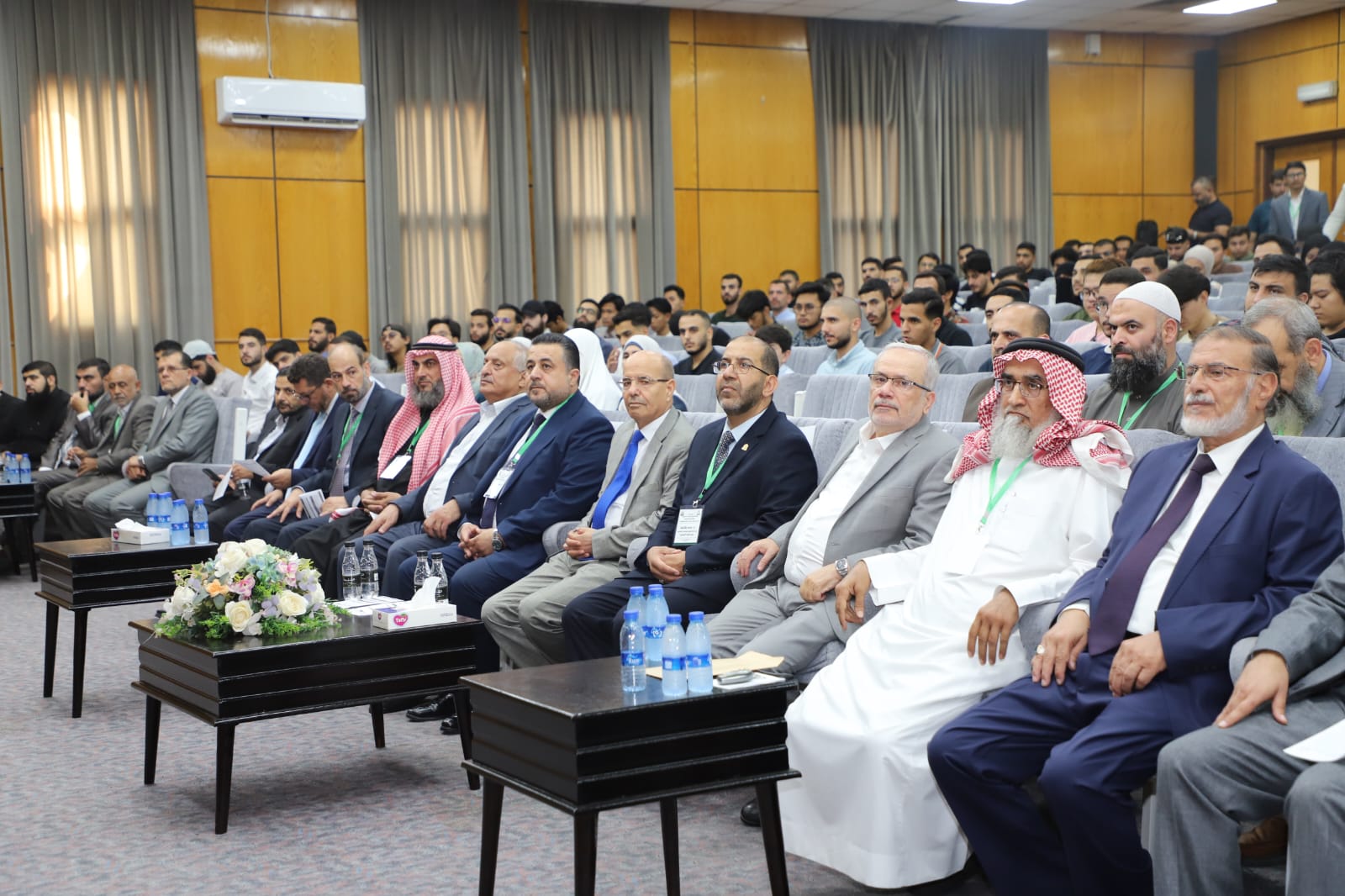
Acting President of Yarmouk University, Dr. Mousa Rabaa’a, inaugurated the Scientific Day of the Faculty of Sharia and Islamic Studies, entitled "The Future of the Islamic Ummah in Light of the Quran and Sunnah: Hopes and Foundations," organized by the Faculty in collaboration with the Hadith Society and Heritage Revival.
Dr. Rababa’a stated that the title of this scientific day raises numerous questions, as addressing the future of the Islamic Ummah requires a forward-looking vision that is not yet fully clear or transparent.
He emphasized the necessity of reflecting on the past and assessing the present to build a future vision for the Islamic Ummah based on the Qur’an and the Prophetic Sunnah.
He praised the significant role of the Faculty of Sharia and Islamic Studies in spreading a culture of tolerance and moderation, in line with the vision of the Jordanian state topromote the teachings of Islam.
He noted that this aims to establish a balanced and moderate discourse, far from violence and extremism. He also pointed out that analyzing religious discourse today requires a rational, balanced, and persuasive approach.
Dr. Rababa’a affirmed that discussing the future of the Islamic Ummah is neither an intellectual luxury nor unattainable dreams; rather, it is faith in God’s promise and conviction in the glad tidings of the Prophet.ش
The Islamic Ummah is enduring andvibrant, learning from its glorious history, identifying flaws and ailments, seeking remedies, and envisioning its future in light of the Qur’an and Sunnah—spreading hope, fostering optimism, and charting a path toward renewed progress, God willing.
Meanwhile, the Dean of the Faculty, Dr. Mohammad Talafha, stated that the Faculty celebrates its Scientific Day under the current difficult circumstances facing the IslamicUmmah.
He emphasized the need to remind ourselves of numerous Qur’anic verses and Prophetic traditions that indicate Islam will once again advance to save humanity.
Dr. Talafha added that organizing this Scientific Day in collaboration with the Hadith Society and Heritage Revival demonstrates the Faculty’s competence and mission as a leading institution in Islamic sciences—through teaching, research, and community service—in accordance with the values of authenticity, modernity, and moderation, while preparing qualified scholars to meet the aspirations and vision of Yarmouk University.
Dr. Abdul-Razzaq Abu Al-Basal from the Hadith Society and Heritage Revival delivered a speech highlighting that the Prophetic Sunnah is the fortress of Islam and its stronghold.
He stressed that following the Sunnah preserves the essence of Islam and ensures its progress, while neglecting it leads to its dissolution. He noted that the Prophet, peace be upon him, did not leave the Ummah’s present or future to mere speculation, as he clarified all that is good for its religion and worldly affairs.
He added that reflecting on the Prophet’s Hadiths concerning the future enables a rational mind to examine them objectively, gaining insight to anticipate and plan for forthcoming events, thus avoiding shocks and maintaining the ability to respond appropriately in accordance with divine laws and principles.
The Scientific Day included two sessions. The first, titled “The Future of the Ummah inLight of the Qur’an,” was chaired by Dr. Hayel Al-Daoud and featured papers including "Deriving Contemporary Events from the Qur’an: Analysis and Critique" presented by
Dr. Khaled Al-Shouha from the Department of Fundamentals of Religion, and "The Future of the Ummah in Light of Surah As-Saff" presented by Abdul-Razzaq Rajab from the same department.
The second session, titled "The Future of the Ummah in Light of the Prophetic Sunnah," was chaired by Dr. Mohammad Al-Omari and included papers such as "The Relationship Between the Liberation of Jerusalem and the Hereafter and Its Implications for the Islamic Ummah in Light of the Sunnah" presented by the Dean of the Faculty of Sharia at the Applied Science University, Dr. Abdul-Salam Atweh, and "The Sunnah-Oriented Maqasid Dimension in Hadiths on the Future of Islam" presented by Dr. Khaled Al-Sharman from the Department of Fundamentals of Religion.
At the conclusion of the opening activities, Dr. Rababa’apresented honorary shields to the supporters and supervisors of the Scientific Day, as well as awards to the top students of the Faculty’s academic departments.
Yarmouk University described the statements of the Prime Minister of the occupation on the so-called “Great Vision of Israel” as extremist and a flagrant violation of international law and the principles of the United Nations. It stressed that such miserable statements represent a real and open threat to security and peace in the Middle East and the whole world, calling on the countries of the region and the world to stand together and reject them.
In a statement, Yarmouk University stressed that such malicious remarks reflect desperate attempts by the Prime Minister of the occupation to cover up his political failure. The University affirmed that the Jordanian people will always remain the “Hashemite sword” in the hands of His Majesty King Abdullah II Ibn Al-Hussein, defending the borders and soil of Jordan and confronting all attempts to undermine national unity and Jordan’s firm stance on the Palestinian cause.
Yarmouk University affirms that such provocative statements will never deter Jordanians from continuing to build and develop their beloved homeland, while strengthening its economic, social, academic, and developmental achievements. It pointed out that, throughout history, Jordanians have repeatedly demonstrated — with abundant and living evidence — their dedication: they carved the rock, laid the foundations, and built over time a human civilization that stands as a testimony to the greatness of this people and the magnitude of their sacrifices for their homeland and their nation.
Yarmouk University, with tribute full of pride and honor, extends its appreciation to the armed forces and the valiant security services for their sincere national efforts in defending the security and stability of Jordan, so that this homeland may remain lofty and free in the face of every cowardly ambition.
Yarmouk University, with its deep affiliation and loyalty to the Hashemite Throne, reaffirms its unwavering support for His Majesty King Abdullah II Ibn Al-Hussein and His Royal Highness Crown Prince Al Hussein bin Abdullah II, pledging to continue defending Jordan and supporting the positions of the Jordanian state in various Arab and international forums.