Conference Background
Conference Logo
The 20th International Conference

Literary, Critical, and Linguistic Studies

Problematics of the Present and Prospects of the Future

July 28-29, 2026
Yarmouk University, Jordan
Scroll to explore

Conference Introduction & Objectives

The humanities today are witnessing an accelerated epistemic transformation driven by the technological revolution, particularly developments in digitalization and artificial intelligence. These transformations have generated new questions concerning identity, culture, and modes of communication and reception. This evolving reality not only calls for reassessing literary, critical, and linguistic studies in their present condition but also necessitates envisioning their future trajectories. These fields face fundamental challenges related to research methodologies and theoretical frameworks, requiring substantial reconsideration to keep pace with ongoing changes and anticipated developments.

Within this context, and in alignment with the mission and vision of the Department of Arabic Language and Literature at Yarmouk University, the conference titled “Literary, Critical, and Linguistic Studies: Problematics of the Present and Prospects of the Future” seeks to provide a platform for scholarly dialogue and intellectual exchange among specialists in literature, criticism, and linguistics. The conference aims to address contemporary issues while exploring emerging epistemological possibilities in light of growing interdisciplinary engagement and the expanding impact of digitalization on academic research and the humanities.
The conference theme encompasses a broad spectrum of topics related to literary, critical, and linguistic studies. Its scope allows scholars to contribute to the service of Arabic heritage—both classical and modern—while engaging with contemporary theoretical developments capable of renewing methodologies, refining analytical tools, and expanding the horizons of literary, critical, and linguistic inquiry. In doing so, it seeks to reinforce the role of the humanities in shaping awareness and cultural formation.

This conference affirms the Department’s commitment to supporting rigorous research, fostering intellectual innovation, and opening new avenues for academic collaboration, grounded in the conviction that the present vitality of the humanities constitutes the solid foundation for shaping their promising future.

Thus, this conference moves toward a horizon in which literary, critical, and linguistic studies emerge in a renewed form—more attuned to global transformations. It envisions a space where authenticity engages modern methodologies, and critical insight intersects with digital knowledge, collectively shaping a future that revitalizes the humanities and restores their central role in understanding humanity and cultivating consciousness.

Conference Themes

01

Literary Studies and Transformations of Aesthetic Discourse

  • Modernism and artistic experimentation in reshaping literary creativity.
  • The impact of cultural transformations on literary imagery and its implications.
  • New narrative techniques and the transformation of aesthetic taste.
  • The aesthetics of literary discourse in digital spaces.
02

Critical Studies and the Stakes of Interpretation and Methodology

  • Transformations of critical methodologies and horizons of interpretation.
  • Interpretation between text and reader: limits and possibilities of meaning.
  • Contextual approaches and the stakes of cultural reading.
  • The role of criticism in shaping cultural and literary consciousness.
03

Linguistic Studies and Problematics of Contemporary Discourse

  • Linguistics and standards of textuality in contemporary discourse.
  • Media and digital discourse: linguistic structures and communicative transformations.
  • Machine translation and its challenges in contemporary discourse.
  • Interpretation of religious texts in light of linguistics.
04

Interdisciplinary Studies and Intersections of Language, Literature, and Criticism

  • Criticism, linguistics, and semiotics: from text to signification.
  • Epistemological dialectics between language and the human and social sciences.
  • Prospects of discourse analysis in the age of artificial intelligence.
  • Language, literature, and visual and auditory arts.

Participation Guidelines

Abstract Submission

  • Maximum 250 words
  • Include paper title and author's name
  • Submit electronically
  • Preliminary acceptance within 2 weeks

Full Paper Requirements

  • Length: 20-25 pages
  • Address conference themes
  • Original, unpublished work
  • Peer-reviewed by specialized committee

Formatting Guidelines

  • Arabic: Simplified Arabic, Size 14
  • English: Times New Roman, Size 12
  • Double spacing
  • Abstracts in both languages

General Notes

All submissions are subject to peer review

Accepted papers published in conference proceedings

Conference covers accommodation and meals

Participants responsible for travel expenses to Amman

Important Dates

April 20, 2026

Abstract Submission Deadline

Last date to submit your abstract for preliminary review

June 1, 2026

Full Paper Submission

Deadline for submitting the complete research paper

June 10, 2026

Acceptance Notification

Final decision on paper acceptance announced

July 27, 2026

Arrival Day

Participants arrive one day before the conference

July 28-29, 2026

Conference Dates

Two days of scholarly dialogue and intellectual exchange

Conference Committees

Preparatory Committee

Conference Chair Prof. Khaled Al-Hazaimeh Dean of the Faculty of Arts
Committee Chair Dr. Alau Al-Deen Al-Gharibeh Head of Arabic Language Department
Prof. Mustafa Al-Haiadreh
Prof. Ahmad M. Abu Dalu
Prof. Khalid Bani Domi
Dr. Hamed Kassab
Dr. Mahmoud Khrisat
Dr. Yousuf Al-Jawarneh
Dr. Ibtisam Hussein
Dr. Safa Al-Shuraida
Dr. Lynda Obeid
Dr. Sahar Jadallah
Dr. Omar Al-Ameri
Dr. Ghassan Al Shatter
Dr. Sadam Megdadi
Dr. Ala' Alkhalafat
Dr. Bayan Al-Sahimat

Scientific Committee

Prof. Yousef Abu Al-Addous (Jordan)
Prof. Mousa Rababah (Jordan)
Prof. Bassam Qattous (Jordan)
Prof. Yahya Ababneh (Jordan)
Prof. Mahmoud Darabseh (Jordan)
Prof. Ziad Al-Zoubi (Jordan)
Prof. Amal Nuseir (Jordan)
Prof. Fayez Al-Qara'an (Jordan)
Prof. Mohammed Al-Majali (Jordan)
Prof. Laila Al-Sabaan (Kuwait)
Prof. Mohammed Obeid (Oman)
Prof. Kamel Saleh (Lebanon)
Prof. Abdelrahman Al-Tammara (Morocco)
Prof. Noureddine Saddar (Algeria)
Prof. Ayman Medan (Egypt)
Prof. Khalil Al-Dimar (Turkey)
Prof. Heni Mahalliyah Al-Sihah (Indonesia)
Prof. Yadkar Al-Shahrazouri (Iraq)
Prof. Mohammed Al-Saudi (Jordan)
Prof. Khuloud Al-Amoush (Jordan)
Prof. Mahmoud Al-Diki (Jordan)
Prof. John Nawas (Belgium)
Prof. Musa Alp (Turkey)

Public Relations & Media

Mr. Mohammed Hajjat
Mr. Odeh Al-Ta'ani
Ms. Reema Qazaq

Conference Participation

Participation Instructions

Conference Dates

July 28-29, 2026

Accommodation

Provided by the conference

Meals

All meals covered during conference

Arrival

One day before conference

Participation Fees

• Participation fee for those requesting accommodation

$150 USD

Host Institution

Yarmouk University

Faculty of Arts

Department of Arabic Language and Literature

Irbid, Hashemite Kingdom of Jordan
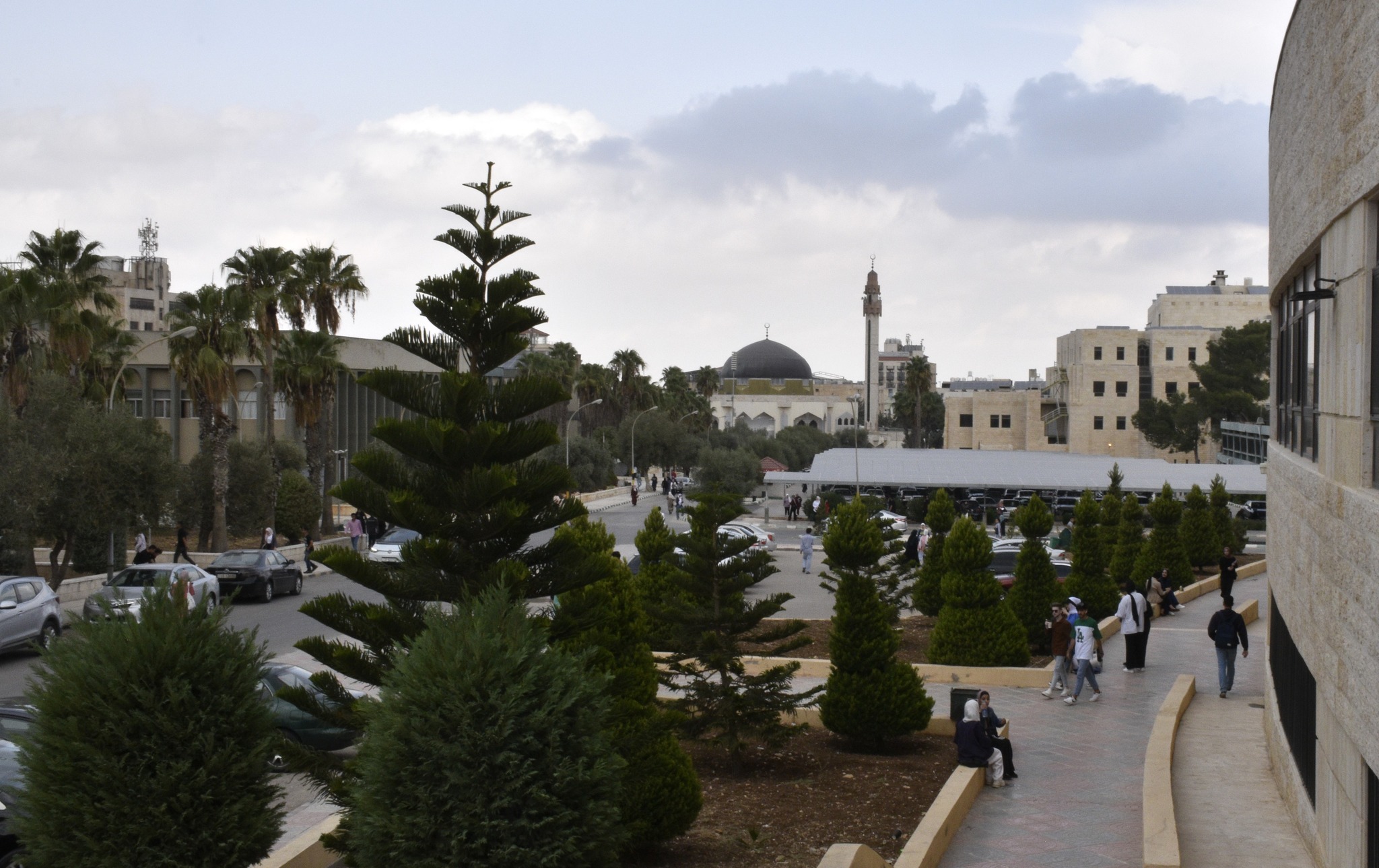
Yarmouk University Campus

Join us at one of Jordan's premier academic institutions

Contact Information

Dr. Alaa' Al-Din Al-Gharaibeh

Chair of the Preparatory Committee

Head of the Department of Arabic Language and Literature

Email

Arabic.conf20@yu.edu.jo

Address

Yarmouk University, Irbid, Jordan

Conference Dates

July 28-29, 2026